// Book comparison
The Design of Everyday Things vs Thinking in Systems
Which should you read? A side-by-side comparison of The Design of Everyday Things by Don Norman and Thinking in Systems by Donella Meadows.
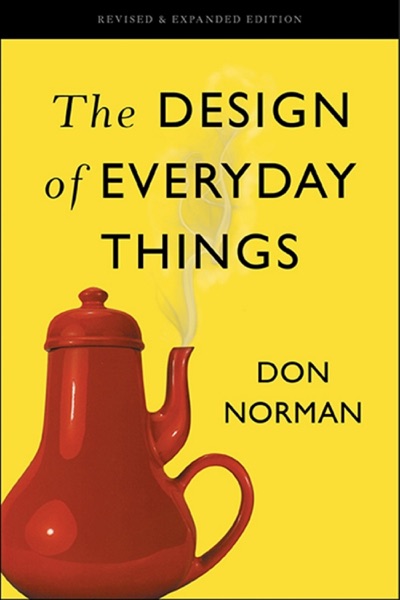
The Design of Everyday Things
by Don Norman
★ 4.9/5
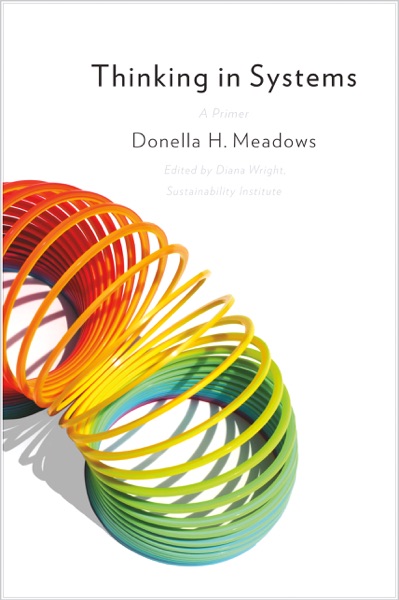
Thinking in Systems
by Donella Meadows
★ 4.9/5
At a glance
| The Design of Everyday Things | Thinking in Systems | |
|---|---|---|
| Rating | ★ 4.9/5 | ★ 4.9/5 |
| Pages | 368 | 240 |
| Reading time | ~9.2 h | ~6.0 h |
| Published | 1988 | 2008 |
| Author | Don Norman | Donella Meadows |
| Category | Marketing y ventas | Gestión de equipos y RR. HH. |
| Publisher | Basic Books | Chelsea Green Publishing |
Choose The Design of Everyday Things if…
- → You're interested in marketing y ventas.
- → You want the higher-rated book (4.9/5).
Choose Thinking in Systems if…
- → You're interested in gestión de equipos y rr. hh..
- → You prefer a shorter read (~6.0 hours).
- → You want the more recent perspective (2008).
Key takeaways — The Design of Everyday Things
- ✓ Prioriza la Discoverability y el Feedback, asegurando que cada elemento de tu producto señale claramente su función y brinde confirmación inmediata de las acciones del usuario.
- ✓ Alinea el diseño de tu producto con el Modelo Mental del Usuario, reconociendo que las personas interactúan con la tecnología a partir de experiencias previas y analogías intuitivas.
- ✓ Usa Constraints como un Escudo Estratégico, limitando a propósito las opciones del usuario para evitar errores catastróficos y guiar al cliente por el camino más eficiente hacia el éxito.
Key takeaways — Thinking in Systems
- ✓ Identifica los Puntos de Apalancamiento en tu organización, enfocando tus esfuerzos en cambiar las metas y las reglas del sistema en lugar de solo ajustar sus parámetros.
- ✓ Comprende las Demoras en la Retroalimentación, reconociendo que suele haber un desfase importante entre una acción y su resultado sistémico, lo que puede llevar a sobrepasar el objetivo o al colapso.
- ✓ Prioriza la Resiliencia Sistémica por encima de la Eficiencia de Alcance Reducido, asegurando que tu empresa cuente con los “Buffers” y la diversidad necesarias para sobrevivir a choques externos impredecibles.
The verdict
If you want the higher-rated, more acclaimed read, start with The Design of Everyday Things. If you specifically need gestión de equipos y rr. hh., Thinking in Systems is the better fit. Both summaries are free — no signup required.
❓ FAQ
Is The Design of Everyday Things or Thinking in Systems better? +
The Design of Everyday Things has the higher reader rating (4.9/5 vs 4.9/5), but "better" depends on your goal. The Design of Everyday Things focuses on marketing y ventas, while Thinking in Systems focuses on gestión de equipos y rr. hh.. See the verdict below.
Which is shorter, The Design of Everyday Things or Thinking in Systems? +
Thinking in Systems is shorter (240 pages, ~6.0 hours) compared to The Design of Everyday Things (368 pages, ~9.2 hours).
Should I read The Design of Everyday Things or Thinking in Systems first? +
If you want the quicker, higher-rated read, start with The Design of Everyday Things. Otherwise read whichever matches your current goal — both summaries are free on BookHub.